
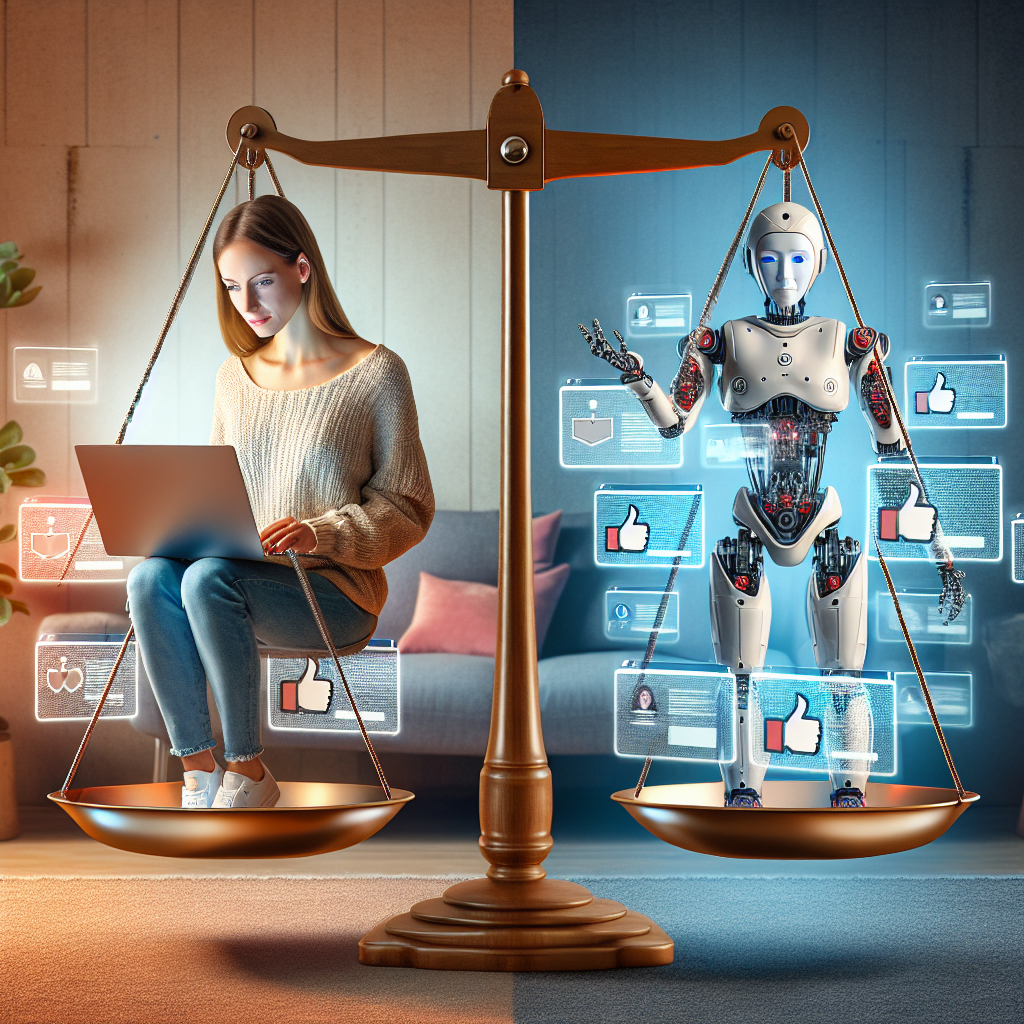
Once upon a time, reading an online review was like having a conversation over the fence with a trusted neighbor. However, with the advent of artificial intelligence (AI), product review landscapes are undergoing a seismic shift. Here’s an in-depth look at the pros and cons of both sides of the spectrum – human and AI-generated product reviews – to help you discern which one is better.
The Human Side of Product Reviews
Human beings have a unique knack for brewing trust through storytelling. Their capability to weave personal narratives, peppered with their emotions and experiences, makes human product reviews uniquely authentic.
Pros of Human Product Reviews
1. **Subjective perspectives**: human reviewers provide subjective viewpoints, allowing consumers to perceive a product’s performance under varying circumstances.
2. **Emotional context**: human-authored reviews often come embedded with emotional responses that reflect happiness, frustration, disappointment, or surprise, playing a significant role in driving purchase decisions.
3. **Real-life experience**: consumers tend to value reviews that depict real-life experiences, as they present a more accurate representation of the product’s functionality.
Cons of Human Product Reviews
1. **Bias and subjectivity**: unfortunately, human bias can skew product ratings unjustly. The same product might be appraised differently by two distinct individuals based on personal preferences.
2. **Fake reviews**: the presence of incentivized or fake reviews erodes faith in the authenticity of human product reviews.
This [TechCrunch article](https://techcrunch.com/2017/03/15/amazon-bans-incentivized-reviews-tied-to-free-or-discounted-products/) dives deep into the problem surrounding fake reviews.
The Role of AI in Product Reviews
AI is emerging as a reliable ally in the e-commerce landscape, especially in the realm of product reviews. Thanks to machine learning, AI can aggregate and analyze massive amounts of reviews to provide consumers with a holistic view of a product.
Pros of AI-Generated Product Reviews
1. **Objectivity**: AI can objectively weigh product reviews, free from human bias and subjective preferences.
2. **Collective analysis**: AI programs can analyze thousands of reviews in a fraction of the time it would take a human reviewer, offering an aggregated, comprehensive perspective.
3. **Fake review detection**: AI can leverage pattern recognition to identify and weed out fake reviews.
Cons of AI-Generated Product Reviews
1. **Lack of emotional context**: AI currently lacks the perceptiveness to interpret the emotional nuances of a review.
2. **Lack of personal touch**: AI-generated reviews lack the relatability and personal touch that human-generated reviews often have.
Despite these limitations, companies like OpenAI are making advancements everyday that could shift AI capabilities in the future. Toolk [OpenAI’s latest developments](https://openai.com/research/) for an idea of what might be on the horizon.
Why it Matters
The AI versus human product review outlines the growth and evolution of e-commerce. AI involves highly scalable, reliable, and efficient capabilities while human reviewers provide a perspective steeped in empathy and personal experiences.
Your decision to choose between human and AI product reviews should be guided by the importance of emotion and personal context versus objectivity and the volume of reviews.
FAQs
__1. Can AI detect emotional nuances in reviews?__
At present, AI’s capability to detect emotional nuances in product reviews is limited. However, thanks to rapid advancements in machine learning and natural language understanding, this could soon change.
__2. Are human product reviews always reliable?__
Human product reviews come with their share of concerns, such as bias, subjectivity, and the potential for fake reviews. Hence, while they provide valuable personal insight, they can sometimes be misleading.
__3. Are AI-generated product reviews readily available to consumers?__
Yes, there are several online platforms, like Amazon and Zapier, employing AI to aggregate, process and present product reviews.
Conclusion
Both human and AI product reviews carry their respective set of strengths and weaknesses. While human reviews bring personal insight and emotional context, AI-driven reviews provide objectivity and comprehensive analysis.
As a savvy consumer, taking advantage of both could potentially hold the key to making the most informed purchase decisions. By amalgamating the personal touch of human reviews with the objectivity of AI analysis, consumers can gain a rich, holistic assessment of their desired products.
Sources Cited
1. TechCrunch: “[Amazon bans incentivized reviews tied to free or discounted products](https://techcrunch.com/2017/03/15/amazon-bans-incentivized-reviews-tied-to-free-or-discounted-products/)”
2. OpenAI: “[Research and Publications](https://openai.com/research/)”
3. Amazon: “[How to Spot Fake Reviews](https://blog.aboutamazon.com/company-news/amazons-actions-to-help-customers-shop-and-identify-the-right-product)”
4. Zapier: “[How to Use Artificial Intelligence in E-commerce](https://zapier.com/blog/ai-ecommerce/)”
5. Wired: “[The Rise of Artificial Intelligence in E-commerce](https://www.wired.com/brandlab/2018/05/evolving-role-ai-ecommerce-meets-brick-mortar/)”
Keen on grabbing more such valuable insights?
Join us in exploring the future of tech.
Sign up for our insightful newsletter or
explore more in-depth AI content.