—-
In the silent corners of the cyberspace, where the internet’s rabbit holes twist and turn, lies a phenomena so cryptic that it has given birth to a plethora of theories, parodies, and debates. Today, we at The Dig Daily dare to delve into the depths of this enigma – The Mandela Effect.
Before we proceed, let’s set the scene. Picture this. You’re casually discussing your favorite childhood books with friends, when someone mentions the beloved family of anthropomorphic bears, the Berenstain Bears. Except you’re certain – it was always the Berenstein Bears. You remember that distinctive “e” quite clearly from your countless hours of joyful reading. Yet, every piece of evidence you can find now confirms it’s ‘Berenstain.’ No ‘e.’
Welcome to the world of the Mandela Effect, a strange phenomenon where large groups of people remember events or details one way, but the reality reflects something entirely different. This isn’t your average forgetfulness or confusion. This is collective false memory – a psychological mystery that has sparked countless online discussions and fueled a thousand conspiracy theories.
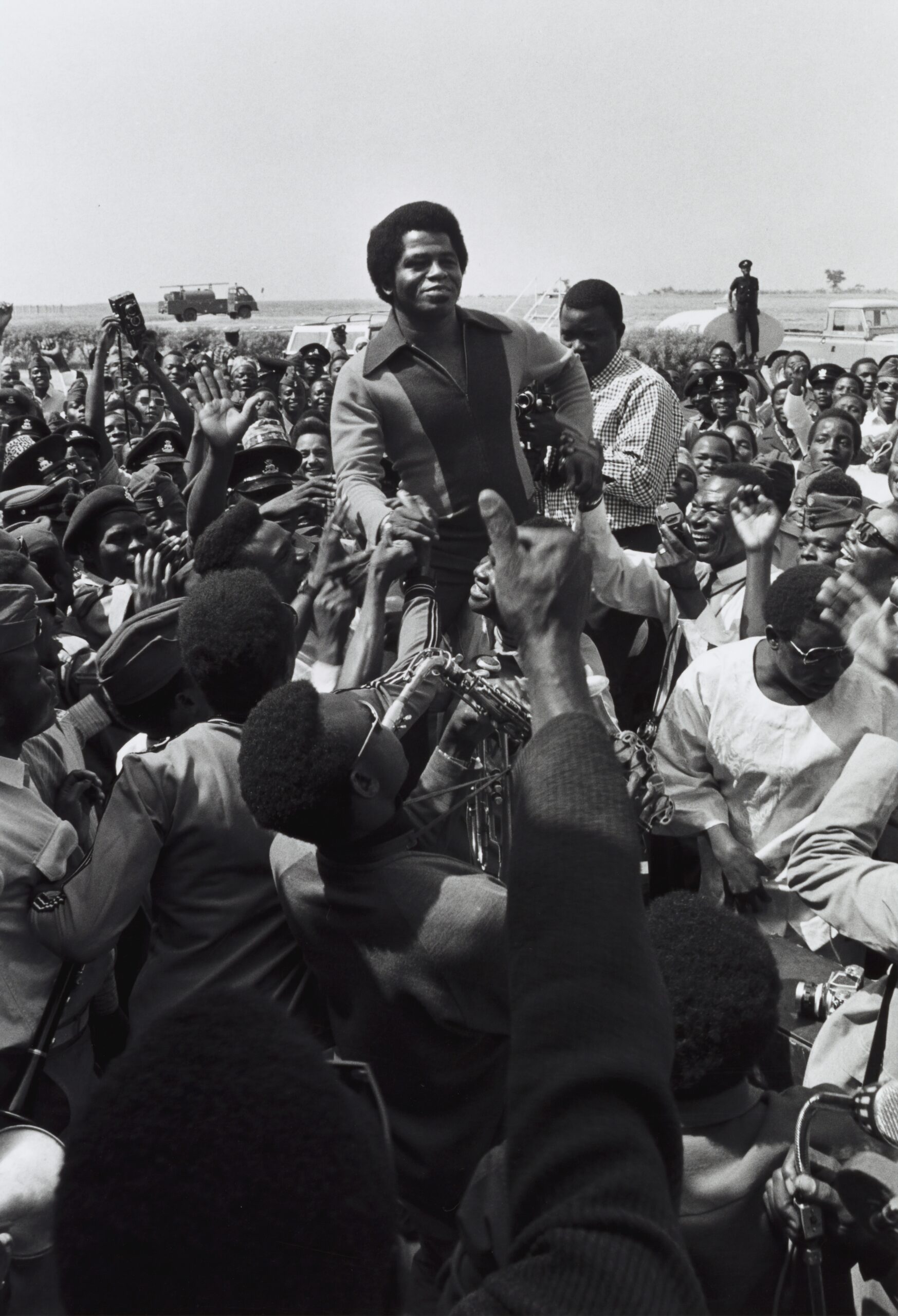
Named after the South African leader, Nelson Mandela, this effect came into the limelight when thousands of people across the globe distinctly remembered Mandela dying in prison during the 1980s. However, the reality was that he was released in 1990 and lived a long life till his actual death in 2013.
So, what is this phenomenon? Is it a glitch in the matrix, evidence of parallel universes, or simply a testament to the fallibility of human memory? Let us take a deep dive.
For years, psychologists have been deeply intrigued by this enigma. The most accepted theory suggests that these collective false memories arise from the malleability of human memory. Our brains do not record events like a video camera; instead, they reconstruct memories each time we recall them, often subject to external influences and our cognitive biases.
However, the fascinating part about the Mandela Effect lies not in the individual inaccuracies of human memory. It is, instead, the collective nature of these false memories – vast groups of people remembering history inaccurately in the same way – that truly baffles experts and fuels debates on online platforms such as Reddit and Quora.
Dr. Henry Roediger, a psychologist specializing in memory phenomena, offers a compelling explanation. He suggests that our memories are influenced not just by our personal experiences but also by social dynamics. Shared conversations, media influences, and common cultural contexts can shape our memory in similar ways, leading to collective false memories – a social contagion of memory distortion, if you will.
But for some, this psychological explanation is too mundane. A more tantalizing theory suggests that the Mandela Effect is evidence of parallel universes – a claim rooted in quantum physics. Adherents believe that these collective false memories are remnants from timelines in alternate realities that have somehow merged or interacted with ours.
Regardless of the true cause, the Mandela Effect serves as a fascinating exploration into the intricacies of human memory and our shared realities. It is a reminder that our perception of the past is not as concrete as we may think, but is instead a malleable, shifting, and sometimes unreliable narrative that is subject to countless influences.
As we traverse through the era of ‘post-truth’ and ‘alternative facts’, understanding phenomena like the Mandela Effect becomes crucial. It forces us to question our reality and the veracity of our memories. Thus, it serves as a potent reminder of the importance of critical thinking, an encouragement to question, to dig deeper, and to discern the truth from the tales our minds weave.
So, the next time you’re certain your childhood favorite was the ‘Berenstein Bears,’ pause for a moment. Perhaps it’s your mind playing tricks, or maybe, just maybe, it’s a glimpse into an alternate universe. Either way, the truth is out there, waiting to be discovered. One just needs to dig a little deeper.
In the world of the Mandela Effect, nothing is quite as it seems. It’s a land where collective memory and reality clash, creating a landscape ripe for exploration and rich in intrigue. This land might be perplexing, even disorienting, but it is never, ever dull. Welcome to the journey. It’s time to dig in.