
Introduction:
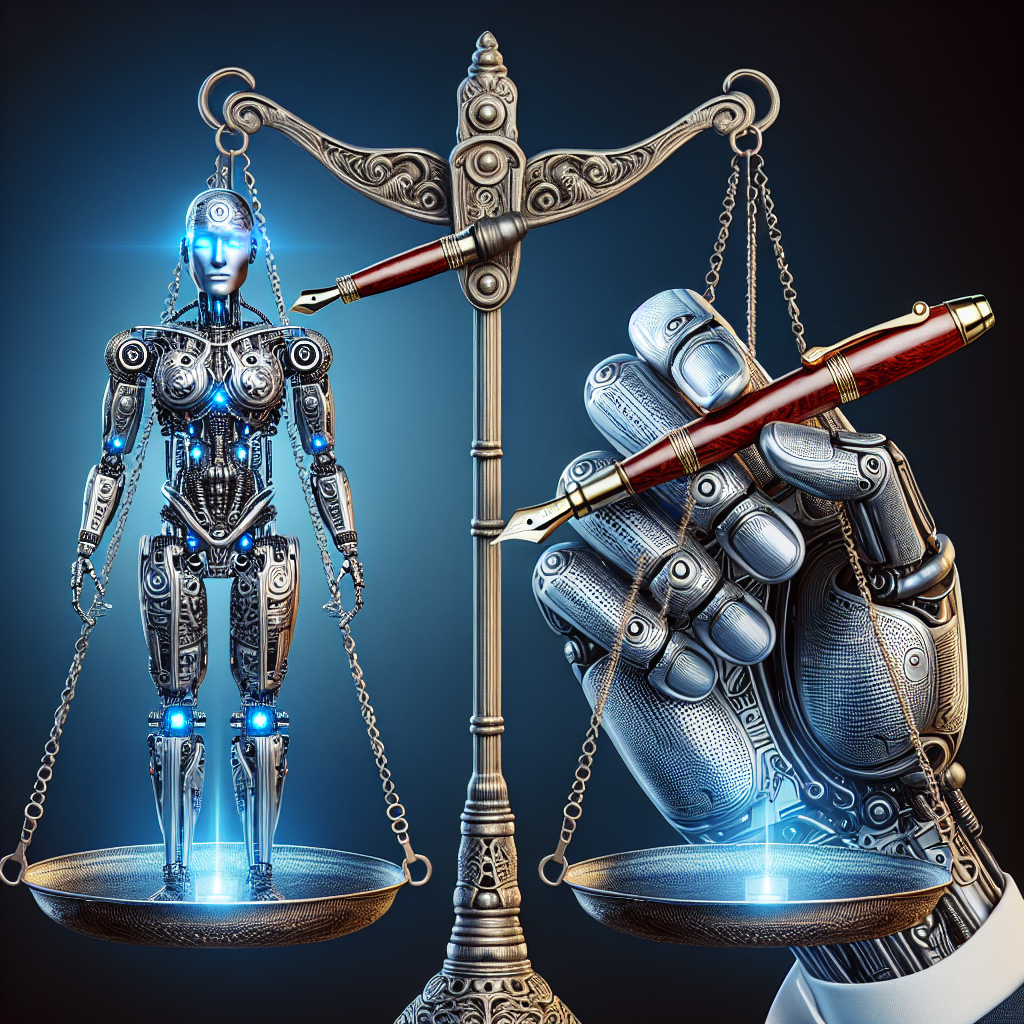
The Information Age is renowned for rapid advancements in technology, catapulting Artificial Intelligence (AI) to the forefront. As AI continues to influence industries globally, the products review sector is not left untouched. Product reviews have metamorphosed from the conventional human-generated narratives into informative, swift deliverables originating from AI algorithms. With this surge, a question arises: which is better – AI or human product reviews? Let’s delve into this riveting comparison and explore the pros, cons grounded in real-life efficiency, precision, and reliability.
A. Understanding AI Product Reviews (H2)
The onset of AI in product reviews sees the use of machine learning algorithms to parse tones, sentiments, and subjects captured in consumer feedback. AI categorizes this mountain of information, resulting in a highly efficient, instant product recommendation system.
1. Pros of AI Product Reviews:
– Rapid Processing: AI tools can analyze bulk data rapidly, processing thousands of reviews in the time a human would take to peruse a single one. Time-efficiency is thus a significant advantage that AI holds.
– Objective Analysis: With AI, the possibility of personal bias infecting the review process is eliminated. The resulting product review is eminently impartial.
– Advanced Analytics: With the power to recognize patterns, AI can group reviews by relevance, identifying trends and insights that might be missed by human reviewers.
2. Cons of AI Product Reviews:
– Lack of Human Touch: AI can’t replace the emotional resonance, nuances, relatability or context understanding that human reviewers offer.
– Possibility of Errors: AI algorithms can occasionally misinterpret sentiments or nuances, leading to inaccurate results.
B. The Reign of Human Product Reviews (H2)
Human product reviews remain a fundamentally engaging form of consumer advice. These reviews come from real users, their emotion-filled narratives, personal experiences, and that ‘human touch’.
1. Pros of Human Product Reviews:
– Emotionally Engaging: Real-life experiences and stories strike a chord with readers, adding depth and reliability to the product review process.
– Contextual Understanding: Humans are adept at understanding the context, making their reviews capable of addressing individual concerns and questions.
– Flexibility: Human product reviewers can adapt to various scenarios, giving more accurate reviews for products requiring personal experiences.
2. Cons of Human Product Reviews:
– Subjectivity: Human reviews can be biased based on personal experiences or prejudices, affecting their objectivity and reliability.
– Time Consuming: The time taken to write, curate, and publish reviews is relatively longer than AI-generated reviews.
– Limited Coverage: Human reviews might not cover all aspects of a product due to individual use patterns and preferences.
C. AI vs Human Product Reviews – The Balanced Approach (H2)
In a world rapidly evolving through technology, an amalgamation of AI and human product reviews appears the most promising. AI provides extensive, unbiased reviews quickly. In contrast, the human touch adds emotional depth, understands context better, and remains adaptable. A mix of both leverages the benefits they individually offer, creating a rich, comprehensive, efficient, and engaging product reviewing system.
Conclusion:
AI and human product reviews, when viewed through the lens of objectivity, speed, and comprehensive analysis, each bring unique value to the table. However, the perfect blend seems to be a fusion of both. Swiftness and impartiality of AI, combined with the innate human ability to relate, engage, and understand context, create an unparalleled, robust product review platform. The future at its best, as we see it, is a harmonious blend of AI algorithms and the irreplaceable human touch.